
5 Smart Steps to Achieve UL969 Compliance


In the previous article, we analyzed the importance of UL969 standard for exporting electronic products to the European, U.S., and Canadian markets. This is a core UL standard that helps the departments of Compliance Procurement, QA/QC Production, Engineer QA, and Operation ensure products pass international inspections and obtain UL certification.
In this article, Ricoh Vietnam presents to you a Checklist of 5 smart steps – a simple yet effective roadmap for OEM/EMS to meet UL969 requirements, fully comply with labeling standards, and quickly achieve UL certification.
5 Strategic Steps to Comply with UL969 for OEM
1. Identify requirements and intended use of labels
- Based on UL, CSA, IEC standards and the requirements of OEM/EMS/ODM, ensure that labels comply with all applicable standards.
- The requirements and intended use of the Marking & Labeling System are defined by the standard of the final product.
- OEMs should refer to the marking and labeling requirements specified in the applicable safety standards, or seek guidance from an authorized source such as the UL engineer responsible for evaluating the final product.
This process helps determine the correct marking and labeling requirements applicable to the product based on its intended use, ensuring compliance with UL certification.
2. Determine the surface for label application
- Review the product design and the material on which the label will be applied (commonly the product casing), and check if there are any special requirements.
- In some cases, the BOM (Bill of Materials) may specify the supplier and required material; therefore, research is needed to identify equivalent materials (e.g., LEXAN™ is often used to refer to general polycarbonate).
- Check the characteristics of the label application surface: smooth or textured, flat or curved.
Understanding the application surface helps select labels with appropriate adhesion and durability in compliance with UL969 standard.
3. Determine the need for additional printed information
- All OEMs are required to print additional information such as model, serial number, technical specifications, date code, factory code, as well as voltage/current details and other related parameters to ensure proper management and full compliance.
- It is necessary to determine the type of ink and printing process (thermal transfer, laser toner, etc.) to ensure that the label continues to meet UL969 standard after supplementary printing and maintains UL Certified status.

Catch Up With UL969 Now
Webinar - From Pitfalls to Smart Compliance: How Vietnamese Factories Win UL Audits
Recommended resources for you
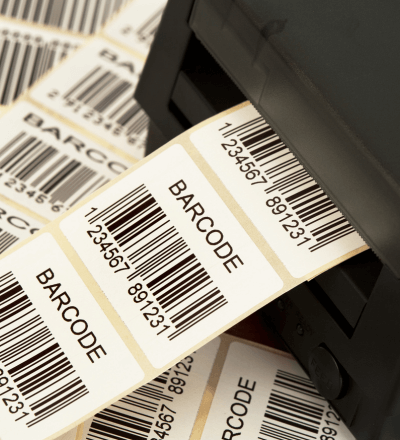
Print Labels In-House or Outsource Service? Which one to choose?
Print Labels In-House or Outsource Service? Which one to choose?
Why UL969 Is the “Passport” for Vietnamese Manufacturers Entering the US–EU Market
Many exporters find difficulties when trying to comply with UL certificates, read more with Ricoh explanation
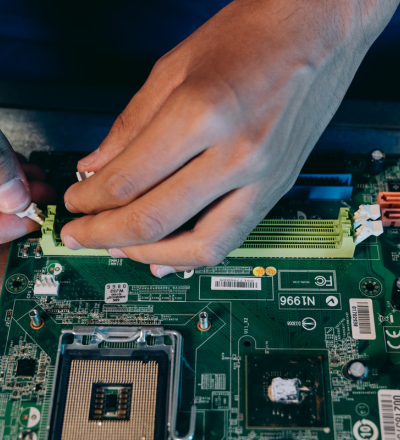
4 Reasons Why B110CR Feed Your Labels In Electronics?
B110CR Is The Suitable TTR For Electronics Which Brings Durability, High Resolution and Ensures Anti ESD As Well