Why UL969 Is the “Passport” for Vietnamese Manufacturers Entering the US–EU Market

Vietnam’s electronics industry is accelerating under the influence of Industry 4.0 and the Government’s ambition to position the country as a regional manufacturing hub, driving companies to expand into highly regulated markets such as the United States, Canada, and the European Union. As OEMs and EMS providers tighten their compliance requirements, UL has become the common language of the global supply chain.However, many factories only discover that their labels fail to meet UL969 during audits, resulting in failed assessments, additional costs, and production delays. With quarterly UL audits adding further pressure, compliance with UL969 has become a mandatory requirement for Vietnamese manufacturers seeking to maintain their position in the global supply chain.
1. What Are UL Standards? – A Safety Assurance Ecosystem
UL (Underwriters Laboratories) is one of the world’s leading safety certification organizations, widely recognized across the United States, Canada, Europe, and many other global markets. A UL certification is regarded as a universal symbol of quality and compliance, giving consumers confidence that the products they use meet stringent safety requirements.
Within the electronics industry, UL standards function as a foundational framework that defines safety and quality expectations across the entire supply chain. These standards span multiple critical sectors, including:
- Electrical and electronic equipment
- Industrial components
- Internet of Things (IoT)
- Automotive and control systems
- Electric vehicles (EV) and renewable energy
In UL’s certification ecosystem, two concepts often cause confusion among manufacturers: UL Listed and UL Categorized (UL Recognized). Although both belong to the same safety evaluation system, they serve entirely different purposes — one applies to finished products, while the other applies to components and materials used within those products. Understanding the distinction between UL Listed and UL Categorized enables manufacturers to select the correct standard, meet OEM/ODM requirements, and streamline compliance when exporting to highly regulated markets.
Comparison: UL Listed vs. UL Categorized
| Criteria | UL Listed | UL Categorized (UL Recognized) |
| Definition | Certification for finished products that UL has tested and confirmed to meet safety requirements. | Certification for materials, components, or sub‑assemblies evaluated by UL according to a specific standard. |
| Scope of Application | Consumer electronics, household appliances, machinery, industrial equipment, etc. | PCB (Printed Circuit Boards), sensors, labels, printing materials, adhesives, wires, components, insulation materials, etc. |
| Purpose | Ensures the finished product is safe for end‑use. | Ensures components or materials are suitable for use in UL‑certified products. |
| Typical Examples | Laptops, adapters, household appliances, meters, UPS units, etc. | UL969 labels, UL94 materials, adhesives, UL758 wiring, UL746C insulation materials, etc. |
| Marking Intended | UL Listed symbol (circle or square). | UL Recognized Component symbol (“UR”). |
| Users | Manufacturers of finished products (OEMs). | Component, material, or sub‑assembly manufacturers supplying OEM/EMS. |
| Supply Chain Impact | Products can be sold directly into the US–Canada market. | Components are approved for use in UL Listed products, accelerating OEM qualification. |
| Testing Level | Comprehensive testing: electrical, mechanical, thermal, and user safety. | Specialized testing based on the relevant standard (e.g., label durability, heat resistance, insulation performance). |
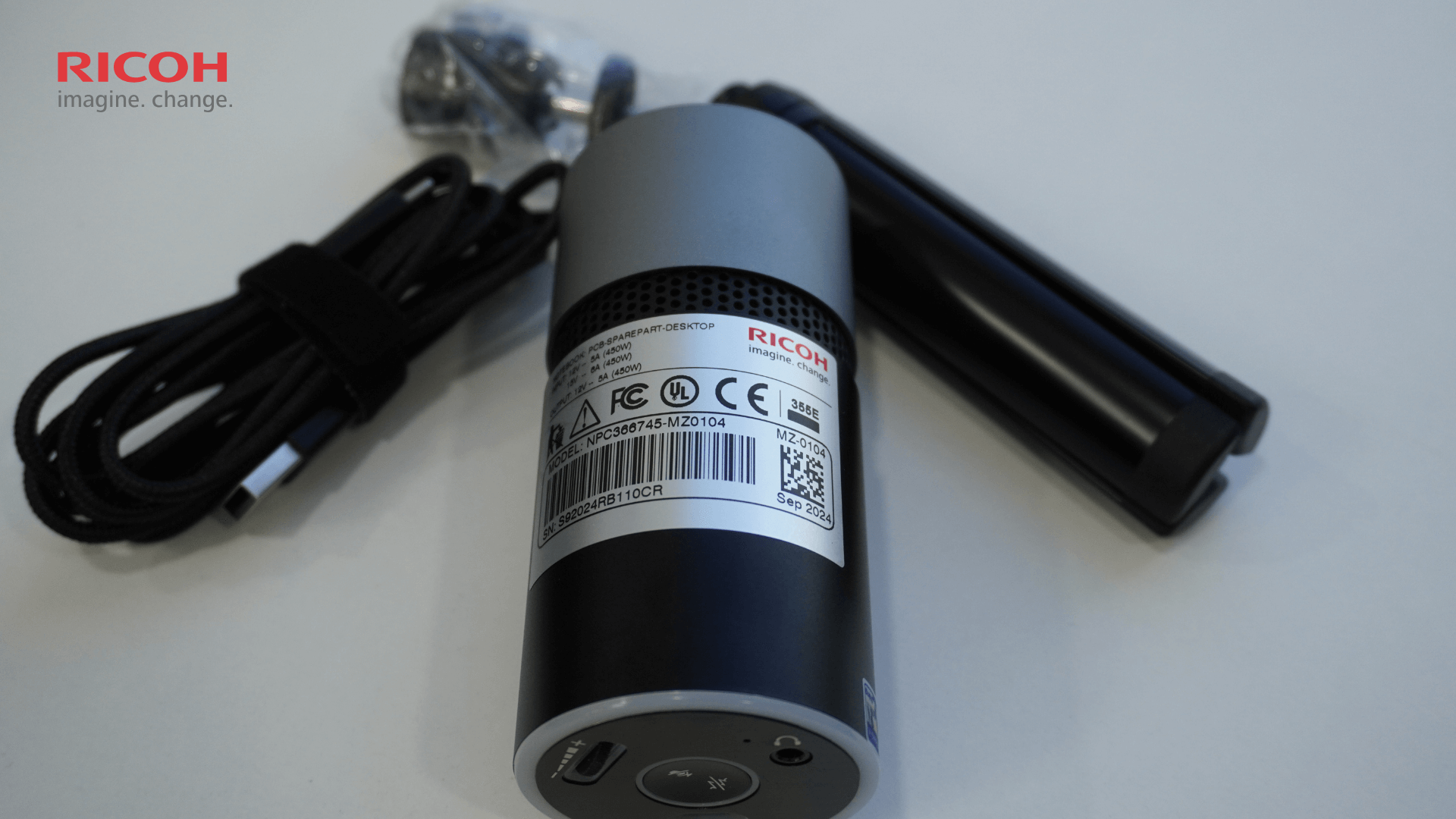 The UL Listed label on electronic devices indicates that the product meets UL safety standards
2. UL969 – A Critical Standard for Marking & Labeling Systems in the Electronics Industry
Within the broader UL standards ecosystem, UL969 is regarded as the most essential foundation for Marking & Labeling Systems — the group of standards that governs how labels must be designed and applied to ensure identification, durability, and the long‑term integrity of information throughout a product’s operational life. UL969 is a core requirement within industrial labeling standards, especially electronic devices, industrial equipment, IoT products, and components exported to the US and EU markets.
Beyond basic identification, labels carry information that is vital for safety and traceability, including usage of warnings, technical specifications, serial numbers, loT codes, and maintenance instructions. These details are relied upon by end users, technicians, and regulatory bodies to operate equipment safely and respond effectively to incidents. Because of this critical role, UL imposes stringent requirements under UL969 to ensure that all label information remains clear, durable, and intact throughout the product’s lifecycle. Compliance with UL969 is therefore not merely a technical requirement — it is a safeguard for user safety and a commitment to product transparency in global markets.
Evaluating a Marking & Labeling System under UL969 involves two primary components: construction examination and permanency testing. The test program is designed to assess label performance on actual or representative product surfaces after exposure to environmental conditions that simulate real‑world use, whether indoors or outdoors.
Construction Examination
The purpose of the construction examination is to verify and document the full makeup of the label. This includes identifying each layer and its thickness, determining whether the label incorporates overlamination, varnish, or a support backing, and clarifying whether the ink is applied on the top surface or subsurface. The examination also confirms the generic type of label stock used, such as paper or polymer. Standards like UL969 specify performance requirements, not specific material types, giving manufacturers flexibility while ensuring safety and durability.
Testing for Permanency
UL969, CSA C22.2 No. 0.15, and many other labeling standards require labels to undergo environmental conditioning before durability evaluation. After labels are applied to the test surface, they are exposed to conditions such as water immersion, high and low temperatures, chemical exposure, and UV weathering.
Once conditioning is complete, labels are visually inspected for signs of curling, wrinkling, shrinkage, or loss of adhesion. Compliance also includes assessing legibility, resistance to defacement, and minimum adhesion strength. Based on the environmental conditions applied, labels are then deemed suitable — or unsuitable — for their intended application.
IEC-Based Standards
IEC-based standards typically require a marking durability rub test, in which labels are rubbed with cloths soaked in liquids such as water, petroleum spirit (hexane), denatured alcohol, or isopropyl alcohol. The labels are then examined for legibility and adhesion performance.
The choice of liquid, sequence of application, and rubbing duration vary across IEC standards that include “Durability of Marking” requirements. A label is considered compliant if the printed information remains readable and no excessive edge lifting occurs.
With its rigorous testing protocols and technical requirements, UL969 has become the “passport” for labeling in the electronics industry, ensuring that products meet global safety expectations and are accepted throughout international supply chains.
3.The Impact of Lacking UL969 Certification on Component Manufacturers Exporting to the US, EU, and Canada
Many manufacturers only recognize the importance of UL969 when it is already too late. Seemingly minor issues — such as label peeling, the use of non‑UL‑recognized materials, or incomplete documentation — can trigger a domino effect that disrupts delivery schedules, damages credibility, and undermines long‑term market expansion plans. Below are the most common consequences factories encounter.
Products Rejected at Customs or Subject to Recall
US and EU customs authorities have the right to immediately deny entry if a product’s labeling fails to meet UL969 requirements, as labels are considered part of the product’s safety compliance. This can result in entire containers being held at the port, requiring re‑inspection, or even being forced to re‑export back to the country of origin. In more severe cases, if products have already entered the market but the labels fail to maintain durability, companies may face a product recall — one of the most costly and reputation‑damaging risks in global trade.
Legal Liability
Faded, peeling, or unreadable warning labels can expose manufacturers to legal liability if users experience harm during product operation. In the US and EU, consumer protection laws are extremely strict: if safety warnings are no longer legible, companies can be sued for “failure to provide adequate safety instructions.” Such lawsuits not only result in financial losses but also inflict long‑term damage on brand reputation.
Loss of Trust from OEM/EMS Partners
In global supply chains, OEMs and EMS providers prioritize suppliers who consistently meet international compliance standards. A single labeling defect can lead them to conclude that a factory lacks adequate quality control, resulting in removal from the approved vendor list. Once trust is lost, regaining a position in the supply chain becomes extremely difficult, as OEMs typically value stability and low risk over marginal cost savings.
Rework Costs and Production Delays
When labels fail to meet UL969 requirements, manufacturers face a cascade of additional costs: re‑labeling, re‑testing, re‑auditing, and in some cases, re‑manufacturing entire batches. These expenses often far exceed the cost of complying with UL standards from the outset. Moreover, delivery delays can lead to contract penalties, loss of production slots, or even the loss of future orders.
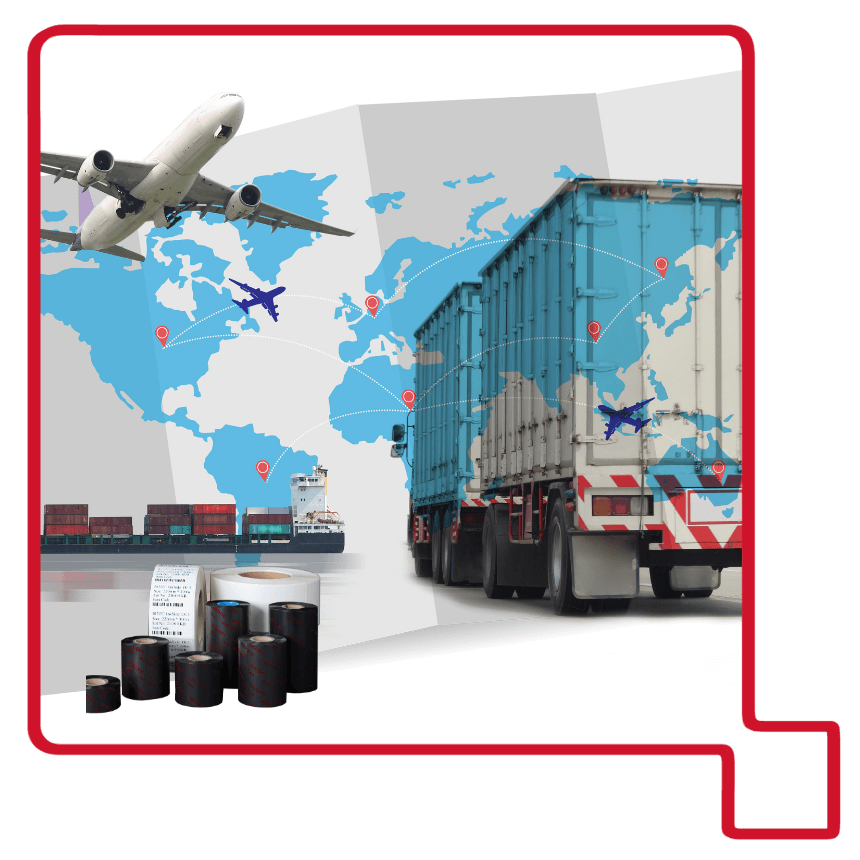
 The global logistics chain is developing, reflecting the strong growth of the electronics export industry
4. Why UL969 Is a Gateway to the US, EU, and Canadian Markets
The US, Canada, and EU Are Tightening Safety Regulations
Developed markets such as the United States and the European Union continue to strengthen product safety requirements — and labeling compliance is a mandatory part of that framework. For exporters, meeting UL969 is essential to passing border inspections and satisfying regulatory expectations. This certification shortens approval timelines and significantly reduces the risk of import rejection.
Strengthening Brand Credibility and Compliance Capability
One of the most tangible benefits of UL969 is its ability to elevate a manufacturer’s credibility in the eyes of global partners. When a factory complies with UL969, it demonstrates strong quality control, stable production processes, and a high level of compliance maturity — all of which are critical in international supply chains.
Long-Term Competitive Advantage in Export Strategy
As US–EU markets become increasingly stringent, UL969 has evolved into a clear competitive differentiator. Manufacturers with this certification are more likely to be prioritized in export projects, supply chain expansion programs, and long-term contracts with OEMs and EMS providers. In a landscape where compliance is becoming a strategic asset, UL969 provides a durable advantage for companies aiming to scale globally.
 Labels are gradually becoming an important factor affecting a product's acceptance when exported
5. Market Context – Why UL969 Matters More Than Ever
The Surge of Electronics, IoT, and Electric Vehicles (EV)
The rapid growth of the electronics, IoT, and EV sectors has created a significant demand for high‑durability labels capable of withstanding heat, chemicals, and harsh operating environments. This makes UL969 a critical standard to ensure that labels can endure the real‑world conditions of next‑generation devices.
Rising Litigation Related to Labeling Issues
In the US and EU, lawsuits involving inadequate warnings, faded labels, or loss of legibility are increasing. This trend forces manufacturers to elevate their compliance standards to minimize legal exposure. UL969 serves as an essential layer of protection, enabling companies to demonstrate that they have met all safety and product‑information requirements.
OEMs Tightening Requirements and Treating UL as Mandatory
In a globally competitive landscape, OEMs and EMS providers are raising the bar for supplier qualification. Their expectations now extend beyond product quality to include adherence to international standards such as UL969. Without UL compliance, manufacturers face significant barriers to approval, limiting their ability to participate in major projects or global supply chains.
Alignment with ESG Trends in Manufacturing
As ESG becomes a priority for global corporations, UL969 plays a meaningful role in supporting sustainability goals. Durable labeling standards help reduce waste caused by peeling, damaged, or re‑applied labels, extend product lifespan, and minimize environmental impact. Compliance with UL969 signals a company’s commitment to environmental responsibility and sustainable operations — attributes increasingly valued across international supply chains.
6. Conclusion – UL969 Is Not Just a Certification, but a Competitive Advantage
To expand into developed markets such as the US, Canada, and Europe, manufacturers must rely on more than production capability or cost efficiency. Sustainable success begins with meeting critical standards — and UL969 is one of the most essential requirements. A UL969‑compliant label not only ensures product acceptance in highly regulated markets but also reflects strong quality management and compliance maturity.
In a global supply chain that prioritizes transparency, safety, and sustainability, UL969 becomes a strategic advantage — a true “passport” for Vietnamese manufacturers entering the international arena. Investing in UL969 is not merely a technical obligation; it is a long‑term strategy to elevate brand credibility and strengthen trust with OEMs and ODMs.
Catch Up With UL969 Now
Webinar - From Pitfalls to Smart Compliance: How Vietnamese Factories Win UL Audits
Recommended resources for you

How to Build Collaborative Work Environments for Hybrid Workforces
Unlock the full potential of your workforce. Learn how collaborative solutions can enhance communication, boost productivity, and foster innovation across dispersed teams.

How to Secure Your Digital Workplace from Cyberattacks
Learn how to protect your digital workplace from cyberattacks, safeguarding your data, reputation, and business.

How to Create a Hybrid Workplace That Works
Uncover strategies to build an inclusive hybrid workplace that boosts productivity and engagement.